
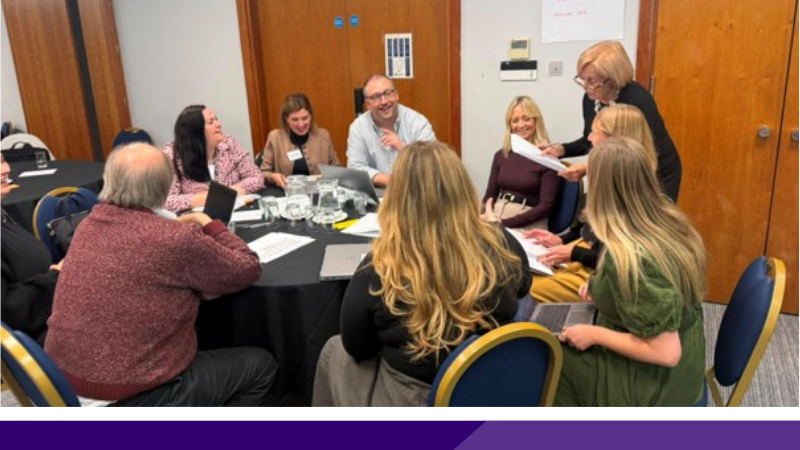
The day brought together cross-sector partners to explore emerging opportunities within the evolving work and health landscape, share innovative regional approaches, and drive practical action to improve health and employment outcomes for local populations.
Key Insights and National Data
Opening the event, Nick Warrington (Head of Secretariat, Joint Work & Health Directorate) outlined the national context behind initiatives like Keep Britain Working. Discussions highlighted the significant economic and social impact of workforce dropout, noting that a 22-year-old leaving the workforce early costs approximately £1 million across their lifetime in combined impact to themselves and the state.
“Better workplaces, better health provision, and better intelligence are critical as we develop a workplace system built on shared responsibility. The key is co-defining best practice with employers, ensuring our approaches are outcome-focused, and making sure support works effectively for SMEs”
Nick Warrington, Head of Secretariat at the Joint Work & Health Directorate
To address this, national teams are collaborating with 220 employers to establish best practice standards for workplace health, alongside piloting SME initiatives such as health resilience hubs costing around £50 per employee annually.
Delegates also explored key findings and case studies from across the country:
- Addressing Regional Inactivity: A case study from South Yorkshire ICB highlighted local data showing a 25.5% higher economic inactivity rate compared to the rest of the UK, predominantly driven by musculoskeletal (MSK) conditions. Their accelerator programme focuses on early intervention for MSK and mental health conditions, alongside targeted SME support.
- Reforming the Fit Note System: Policy discussions highlighted a clear disparity in fit note perceptions. While around 80% of patients feel the current fit note process works well, only 29% of healthcare professionals agree, underscoring the need for structural reform, non-clinical triage models, and clearer workplace support.
- Neighbourhood Health Models: Conor Jackson (NHS Alliance) presented on embedding work, health, and skills into local neighbourhood models to deliver earlier, community-based support.
Collaborative Action for Local Systems
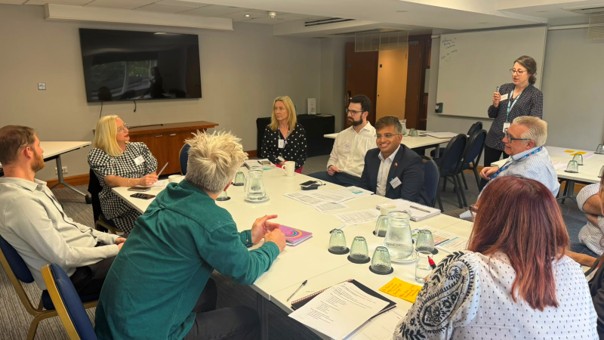
During the afternoon workshop sessions, delegates collaborated in regional groups to map out local priorities for the year ahead, focusing on enhanced employer engagement, fit note reform, and practical education to support workforce retention.
Attending the event and participating in the regional workshops and panel discussions, Nicola Harris, WorkWell Learning & Change Manager at NHS Central East Integrated Care Board (ICB), found the day highly valuable.
“Attending the network event was a fantastic opportunity to collaborate with colleagues from right across health, employment, and local government. Hearing such inspiring regional case studies and working together on practical action plans gave us a great space to look beyond traditional boundaries. It was a really constructive day, and by sharing what works, we can build practical, joined-up pathways across the East of England that enable people to stay in work and thrive”
Nicola Harris, WorkWell Learning & Change Manager at NHS Central East ICB
Looking Ahead
The afternoon culminated in an interactive panel reflection, discussion, and Q&A session with national and regional leads, including Nick Warrington (Head of Secretariat, Joint Work & Health Directorate), Christine Joy (Chief People Officer, South Yorkshire ICB), Conor Jackson (Work and Health Lead, NHS Alliance), Andrew Pryde (Head of WorkWell, Accelerators, & Fit Note Policy, Joint Work & Health Directorate), and Nicola Harris (WorkWell Learning & Change Manager, NHS Central East ICB).
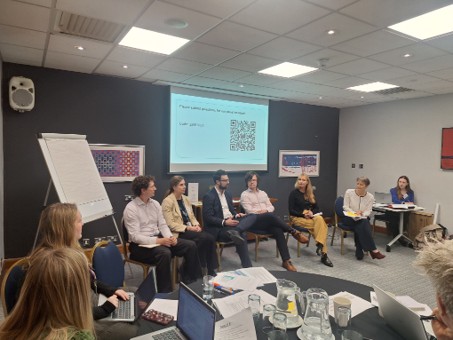
Attendees submitted questions live, leading to an engaging dialogue around cross-system alignment, fit note reform, and practical steps for regional implementation.
The day concluded with a shared commitment to ongoing regional cooperation, ensuring that work and health initiatives remain accessible, outcome-focused, and tailored to communities across the East of England footprint.