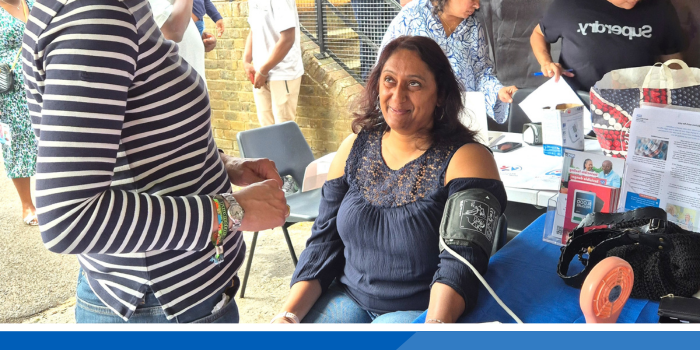
It’s quick and easy to get a FREE blood pressure check at a pharmacy. You don’t need an appointment and many pharmacies are open in the evenings and at weekends.
One in four adults have high blood pressure, but only half know they have it. Having high blood pressure (hypertension) increases your risk of heart attack and stroke, and also of conditions such as kidney disease, heart failure and dementia.
Often high blood pressure has no symptoms. This is why it is important to get your blood pressure checked.
If you find out you have high blood pressure, there is a lot you can do to lower it to a healthy level. This might involve making some simple changes to your lifestyle or, sometimes, taking medicines prescribed by your doctor.
Sometimes high blood pressure does cause some symptoms like blurred vision, headaches and nosebleeds. If you are experiencing these symptoms and think you might have high blood pressure, please see your GP.
Where can you get a blood pressure check?
- At a pharmacy. Checks are free for people over 40 who have not had a blood pressure check in the past 6 months. Find a participating pharmacy near you.
- At your GP
- As part of your NHS Health Check
- Using a self-service blood pressure machine while waiting for your appointment at a hospital or clinic
- Using a blood pressure monitor at home.
All adults over 40 are advised to get their blood pressure checked at least every 5 years. Some people from African, Afro-Caribbean or South Asian heritage may have high blood pressure at a younger age and are encouraged to get their blood pressure checked earlier.
How to take your own blood pressure
If you have a blood pressure monitor at home, checking your own blood pressure is simple. When you’re taking your blood pressure at home, there are things you can do to help get an accurate reading.
Watch this video to find out how to take your blood pressure at home.
What do your blood pressure numbers mean?
Knowing your blood pressure reading is important, but understanding what the numbers mean can help you take the right action for your health. This short animation explains how to read your blood pressure results, what is considered a healthy range, and what to do if your numbers are higher than they should be.
You can use this NHS tool to understand your blood pressure reading
Ways to keep your blood pressure healthy
- Regular physical activity – try to do some moderate-intensity activity every day (exercise that makes you breathe faster and gets you warm). Build up to at least 150 minutes activity per week, in bouts of 30 minutes or more. Also try to avoid sitting too much. Exercise guidelines and workouts to help improve your fitness and wellbeing.
- Keep to a healthy weight – for some people, losing weight is all they need to do to get their blood pressure down to a normal level. Here are some NHS tips to help you lose weight.
- Eat a healthy balanced diet – use the Eatwell plate to guide the proportions you include from each food group. Make sure to include a variety of fruit and vegetables. Try to eat at least 5 portions of fruit and vegetables a day. . Also try to cut back on caffeine, drinking more than 4 cups of coffee a day may increase your blood pressure.
- Eat less salt – an adult should eat less than 6g of salt a day. The BHF recommends you don’t cook with salt or add any to your food. Try to cut down on processed foods, which contain a lot of salt- check food labels for salt content.
- Be careful with alcohol – regularly drinking too much alcohol can raise your blood pressure over time and it is high in calories which can make you gain weight and further increase your blood pressure. If you drink alcohol, stick to the recommended limit. No more than 14 units a week on a regular basis. If you drink as much as 14 units a week, it’s best to spread your drinking over 3 or more days.
- Take your medicines – most people need to take medicine to control their blood pressure. Blood pressure tablets are very effective and can reduce the risk of heart attack and stroke. Don’t stop your medication without speaking to your GP first.
- Stop smoking – to reduce your risk of heart attack and stroke. There is lots of support to help you quit for good.