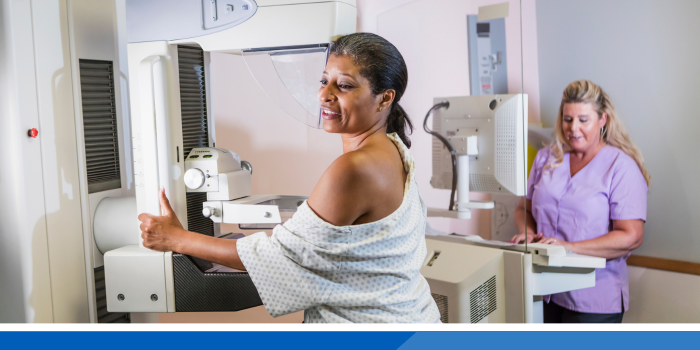
Cancer screening is a type of test that checks for early signs of changes to your cells. Screening can help detect cancer at an early stage and prevent abnormal cancer cells from occurring or developing.
Screening tests are different depending on which part of your body is being tested. It is offered to the people who are most at risk of developing particular types of cancer. There are three national cancer screening programmes in England:
It is important that if you are invited for screening, you attend your appointment – or for bowel screening, carry out the test at home.
Lung Cancer Screening Programme
The Lung Cancer Screening Programme in the East of England is part of a wider national initiative, aiming to significantly reduce cases of lung cancer being identified at a late stage.
In some parts of Central East ICB current and ex-smokers aged between 55 -74 are being invited for a lung cancer screening check. This is a type of test to find signs of lung cancer as early as possible, in patients who are at a higher risk of developing lung cancer.
Find out more about the Lung Cancer Screening programmeNHS Screening
Further information on different types of screening offered by the NHS including screening in pregnancy, screening for new born babies, diabetic eye screening and abdominal aortic aneurysm (AAA) screeningis available on the NHS website.
Find out more about NHS ScreeningGeneral health checks – over 40-year-olds
The NHS Health Check is a health check-up for adults in England aged 40 to 74. It’s designed to spot early signs of stroke, kidney disease, heart disease, type 2 diabetes or dementia.
Find out more about the NHS Health Check